Disconnection from land and food
Many people grow up far from the systems that feed them. The farm school reconnects daily life with soil, animals, seasons, food preparation, and stewardship.
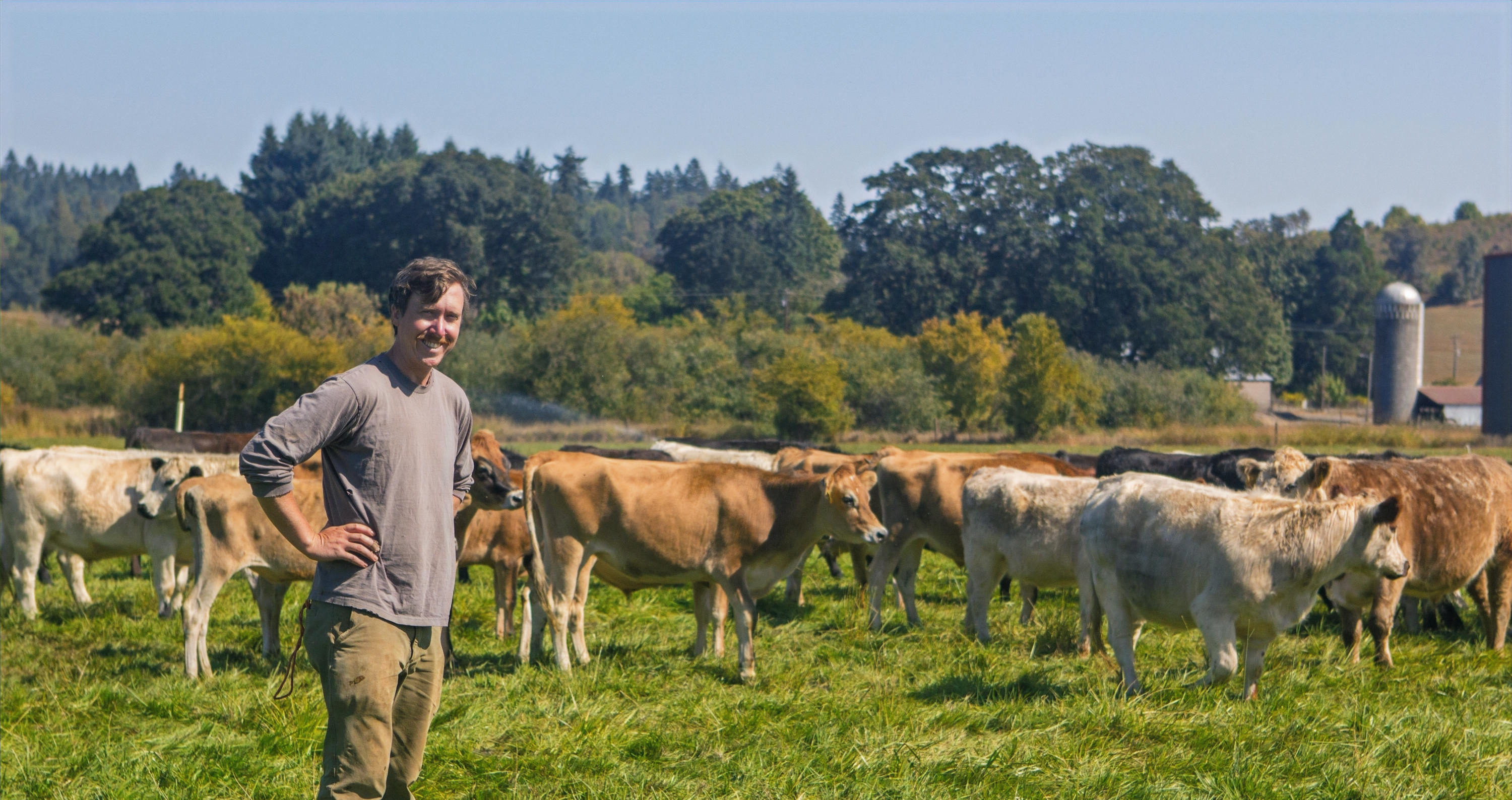
Willamette Valley Farm School
A Living Classroom
Willamette Valley Farm School is being developed as a nonprofit, farm-based educational ecosystem serving children, teens, adults, and aspiring farmers. The farm itself becomes the classroom: a place to learn regenerative agriculture, homesteading, enterprise skills, and the habits of shared responsibility that resilient communities require.
Mission Statement
The Willamette Valley Farm School is a nonprofit educational program dedicated to cultivating resilient communities through regenerative agriculture, practical skill-building, and intergenerational learning. By using the farm as a living classroom, we equip people of all ages with the knowledge, experience, and relationships needed to participate in and rebuild thriving local farm economies.
Who It Serves
All Ages
Preschool through adult learners, including aspiring and active farmers.
How It Teaches
Hands-On
The farm itself is the classroom, with real systems, real work, and real consequences.
What It Builds
Resilience
The aim is stronger people, healthier land, and a more durable regional farm culture.
See The Place
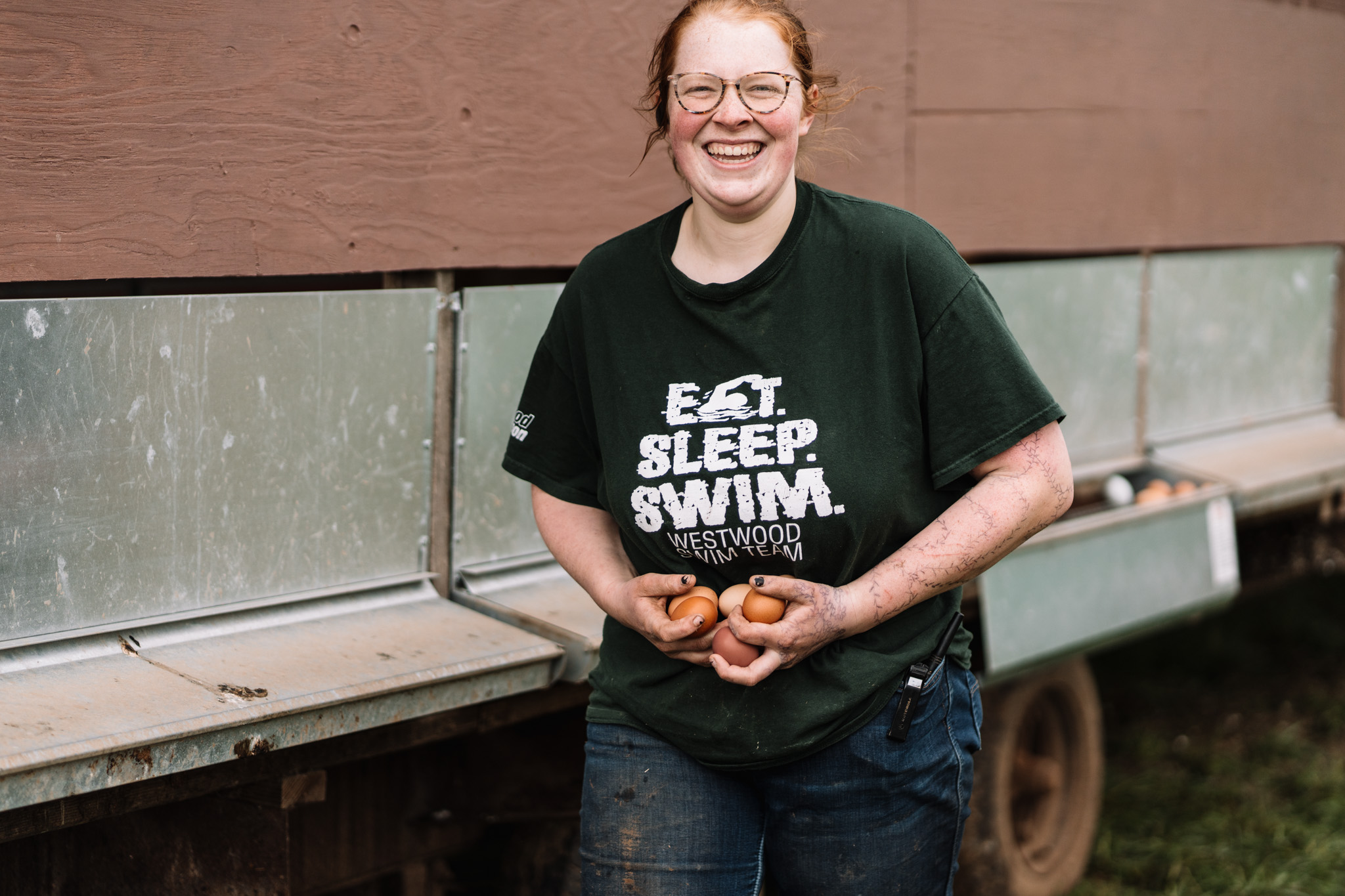
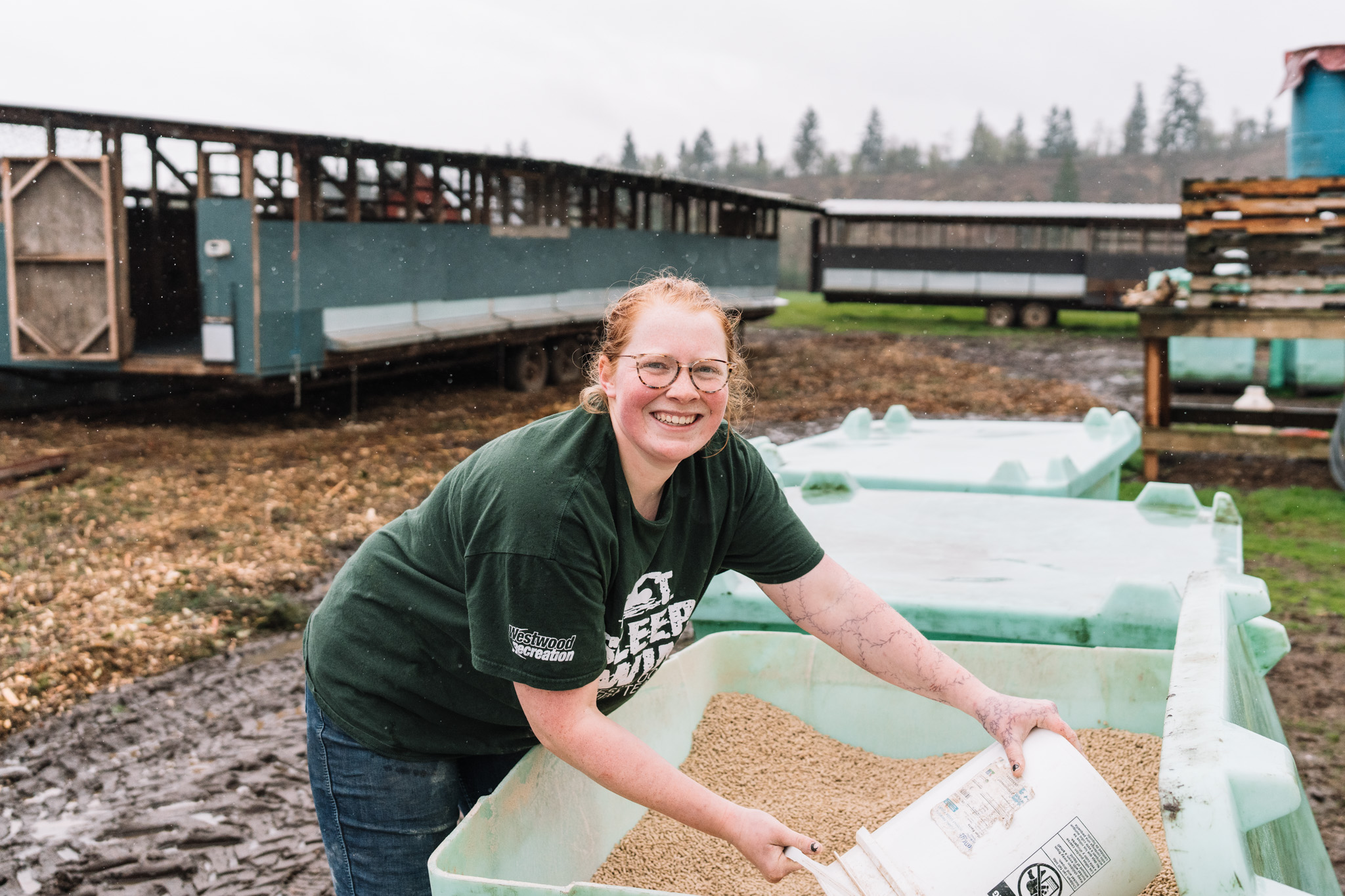
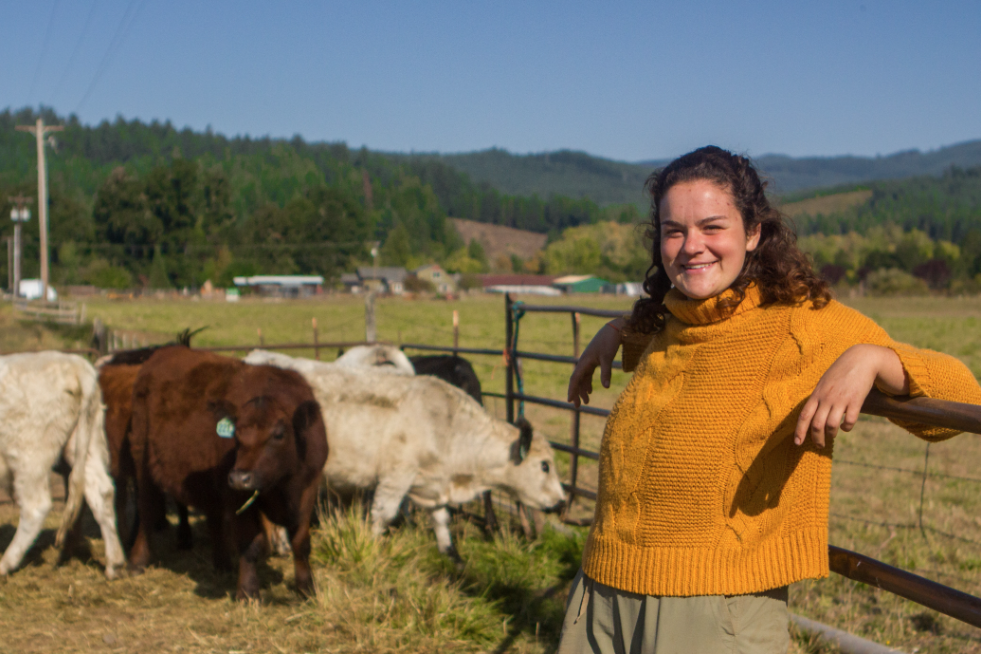
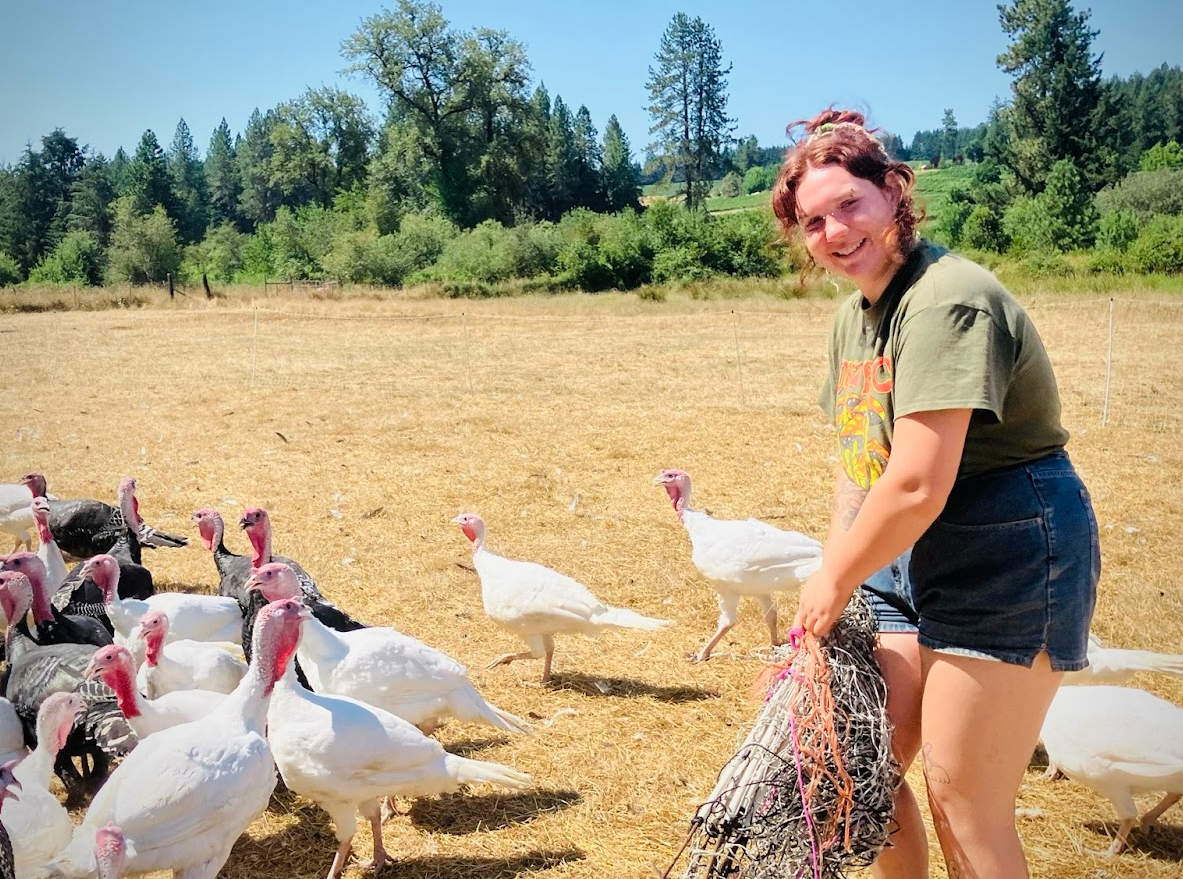
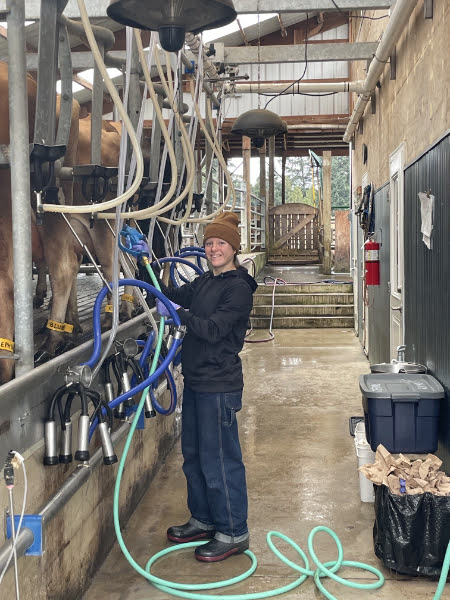
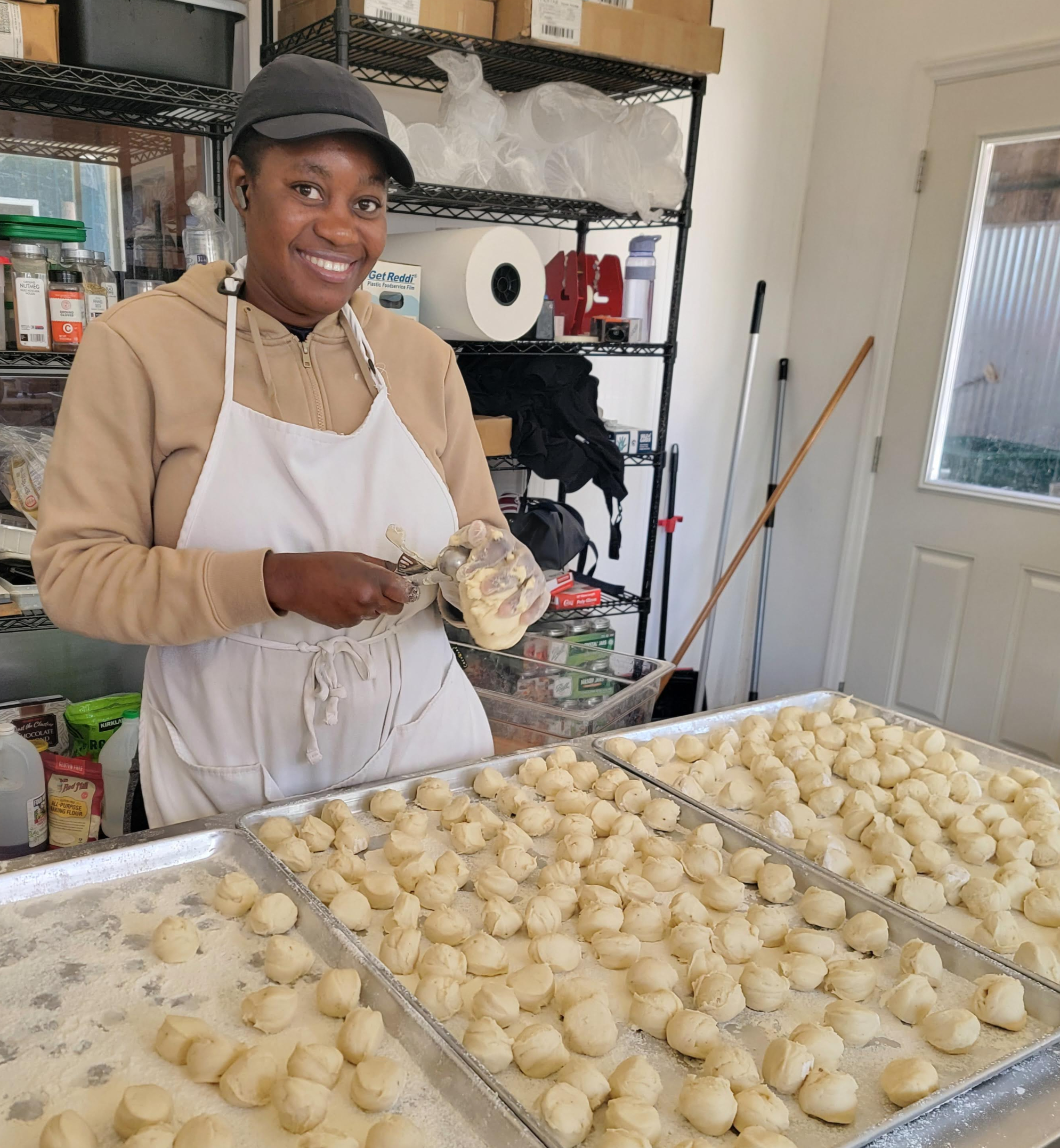
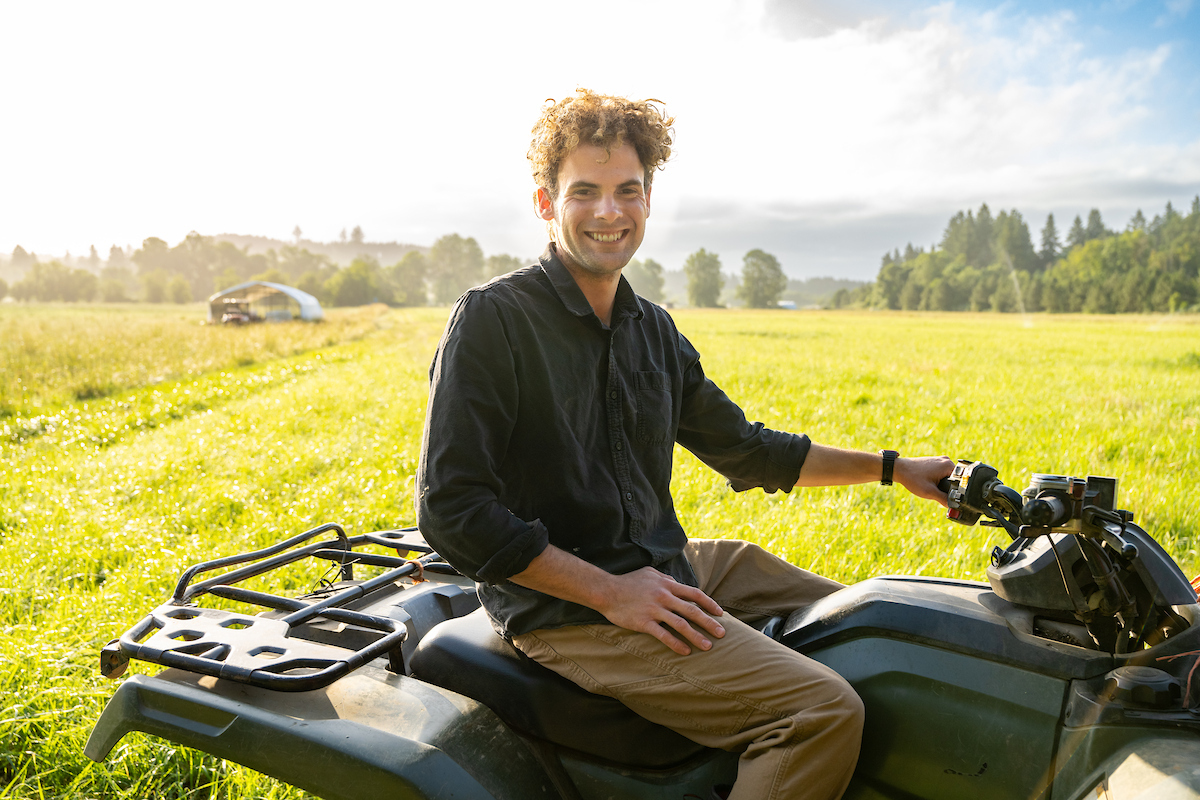
These photographs show the kind of working-land context the school is built around: livestock care, value-added production, infrastructure, and the practical rhythm of day-to-day farm life.
Why This Matters
This is not only about teaching agriculture. It is a response to fragmentation: people separated from food systems, young people separated from meaningful work, and communities separated from the knowledge needed to care for land together.
Many people grow up far from the systems that feed them. The farm school reconnects daily life with soil, animals, seasons, food preparation, and stewardship.
Standardized, age-segregated schooling often separates learning from meaningful work. This model teaches through contribution, observation, and practical accountability.
Traditional farming knowledge, community patterns, and practical skills are harder to pass on when people learn and live in isolation from one another.
Core Pillars
Each pillar reinforces the others. The educational model works because land stewardship, useful skill, economic understanding, and community responsibility are taught as one coherent way of life.
Students learn soil health, biodiversity, animal systems, and food production in ways that align ecology with long-term stewardship.
Homesteading, trade skills, financial literacy, and resource management are taught as part of a functioning farm-based economy.
Mixed-age collaboration, communication, service, and accountability are treated as essential parts of education rather than extracurricular values.
Self-direction, mentorship, feedback, and real consequence help participants grow in judgment, resilience, and commitment.
Learning Model
The farm school combines mentorship, self-direction, and daily responsibility so students are formed by practice as much as by curriculum.
Preschoolers, teens, adults, and aspiring farmers all benefit from learning in a more natural social ecology.
Learning happens alongside experienced guides who can model craft, judgment, and the pace of responsible land-based work.
Animals, crops, kitchens, tools, and shared spaces create the kind of lived accountability that abstract coursework cannot replicate.
Peer reflection, mentor evaluation, and self-assessment help participants set goals and adjust through practice.
Program Tracks
Each track is shaped by the same philosophy: mixed-age learning, practical skill-building, mentorship, and direct participation in the life of the farm.
Mixed-age, experiential learning for preschool through high school rooted in gardens, animals, kitchens, tools, and the seasonal rhythm of the farm.
Young people build confidence, practical life skills, ecological literacy, and a lived sense that work, learning, and community belong together.
Workshops, mentorship, and continuing education in homesteading, trade skills, food systems, farm economics, and land-based living.
Adults leave with usable skills for home, community, and meaningful participation in a regional farm economy.
Beginning and advancing farmers learn regenerative production, business systems, logistics, and the discipline needed to steward viable enterprises.
The aim is not only skill acquisition but readiness to manage land, enterprises, crews, and customer relationships with integrity.
Optional residential experiences make community living, shared responsibility, and immersive daily practice part of the educational model.
Participants experience what it means to live inside a culture of stewardship, contribution, and interdependence.
Community Impact
The long-term goal is cultural as much as educational: healthier land, stronger local economies, more capable farmers, and communities that know how to share responsibility for the places that feed them.
The goal is to prepare more people to start, join, and sustain viable farm enterprises within the region.
The school can exchange knowledge with neighboring farms, create training partnerships, and strengthen the wider agricultural ecosystem.
Land-based education helps restore habits of contribution, cooperation, and mutual reliance that isolated institutions struggle to teach.
A nonprofit structure keeps the work oriented toward education, stewardship, and service rather than private extraction.