Operating Model
Building a farm-based educational ecosystem around land, work, and community.
Rather than separating school, work, and community life, the model integrates them. Day programs, farmer training, adult education, and optional residential experiences all use the farm as a living classroom where ecology, economy, culture, and personal responsibility are taught together.
Culture, stewardship, and program design
At its core, the farm school exists to rebuild living farm culture. Education is rooted in real responsibility, mixed-age participation, mentorship, service, and stewardship. Decisions about programs, partnerships, and governance should protect biodiversity, human dignity, practical competence, and a culture where people learn to care for land and one another together.
Educational ecosystem
The school is designed to serve youth, adults, and future farmers through day programs, skill-based intensives, mentorship, and deeper immersive tracks.
Farm as classroom
Animals, fields, workshops, kitchens, and shared infrastructure are not side resources. They are the teaching environment itself.
Community-based formation
Participants learn communication, service, and interpersonal responsibility while contributing to a shared place that depends on everyone showing up well.
How It Functions
This model responds to more than a workforce gap. It addresses disconnection from land and food, the loss of intergenerational knowledge transfer, and the need for farms that can teach ecology, economy, and community as one integrated system.
Mixed-age learning allows skills, responsibility, and culture to move across generations rather than remaining trapped inside age silos.
Mentorship and self-directed goals work together so students are guided without being flattened into a one-size-fits-all model.
Farmer training includes ecology, economics, production systems, and the practical realities of running viable farm enterprises.
Outreach, workshops, and partner relationships help the school function as regional infrastructure rather than an isolated private project.
Launch Sequence
The long-term vision still needs disciplined structure to become durable.
As Willamette Valley Farm School forms, governance, nonprofit compliance, and program systems need to be built with the same care as the educational philosophy.
Legal structuring and counsel alignment
2026-04-01
Define the farm school's relationship to the Land LLC, confirm fair-rate lease assumptions, and gather boilerplate organizational documents for legal review.
Federal filing target
2026-07-01
Submit 501(c)(3) paperwork so the organization enters pending status and can advance early grant work.
Operational readiness target
2027-01-01
Launch with governance, documents, training systems, and enterprise tracking fully in place for tax-exempt operations.
Operational Reality
The vision has to hold up inside real work, real logistics, and real seasonal pressure.
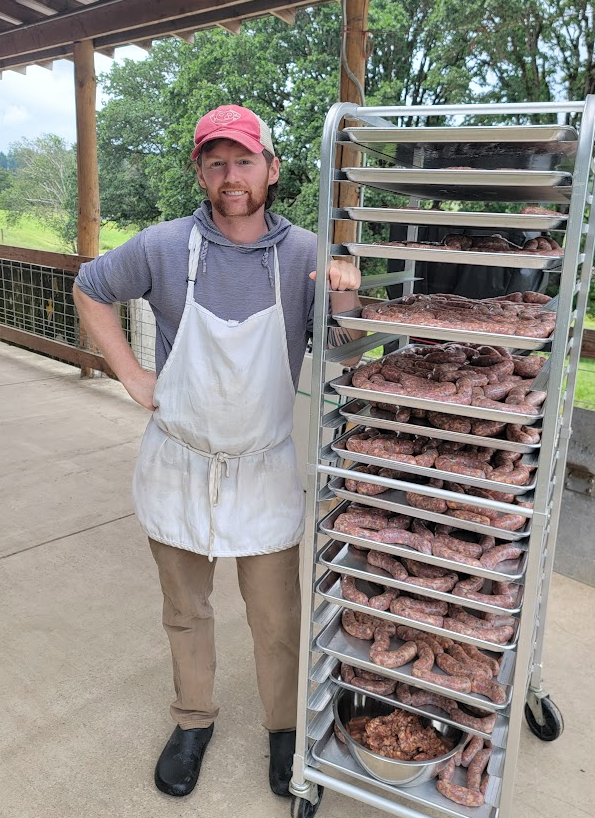
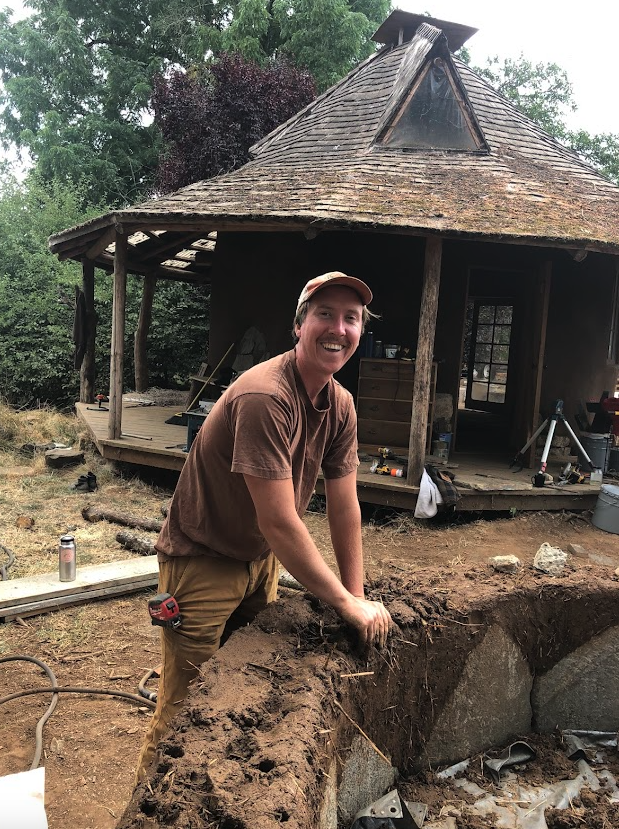
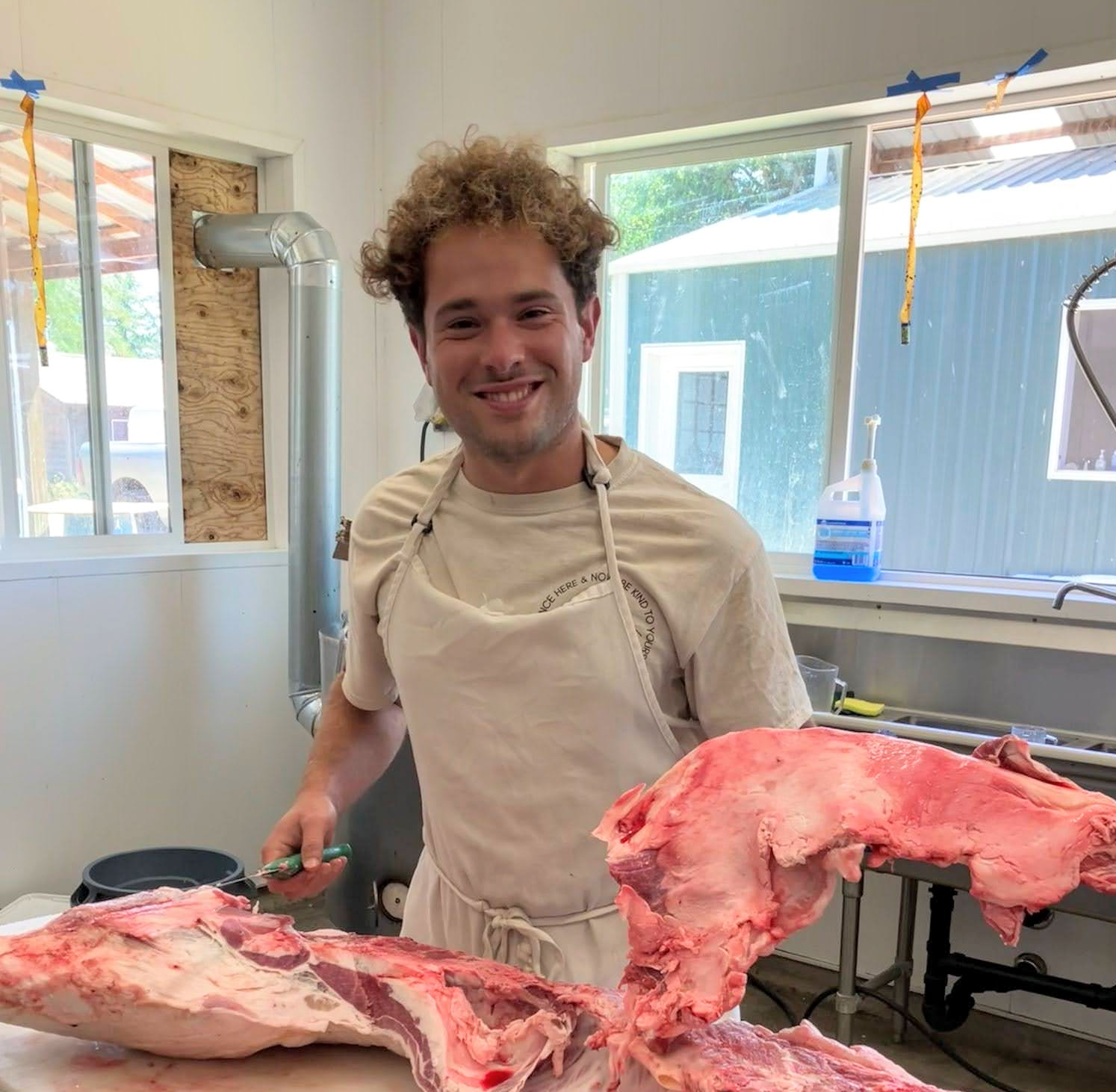
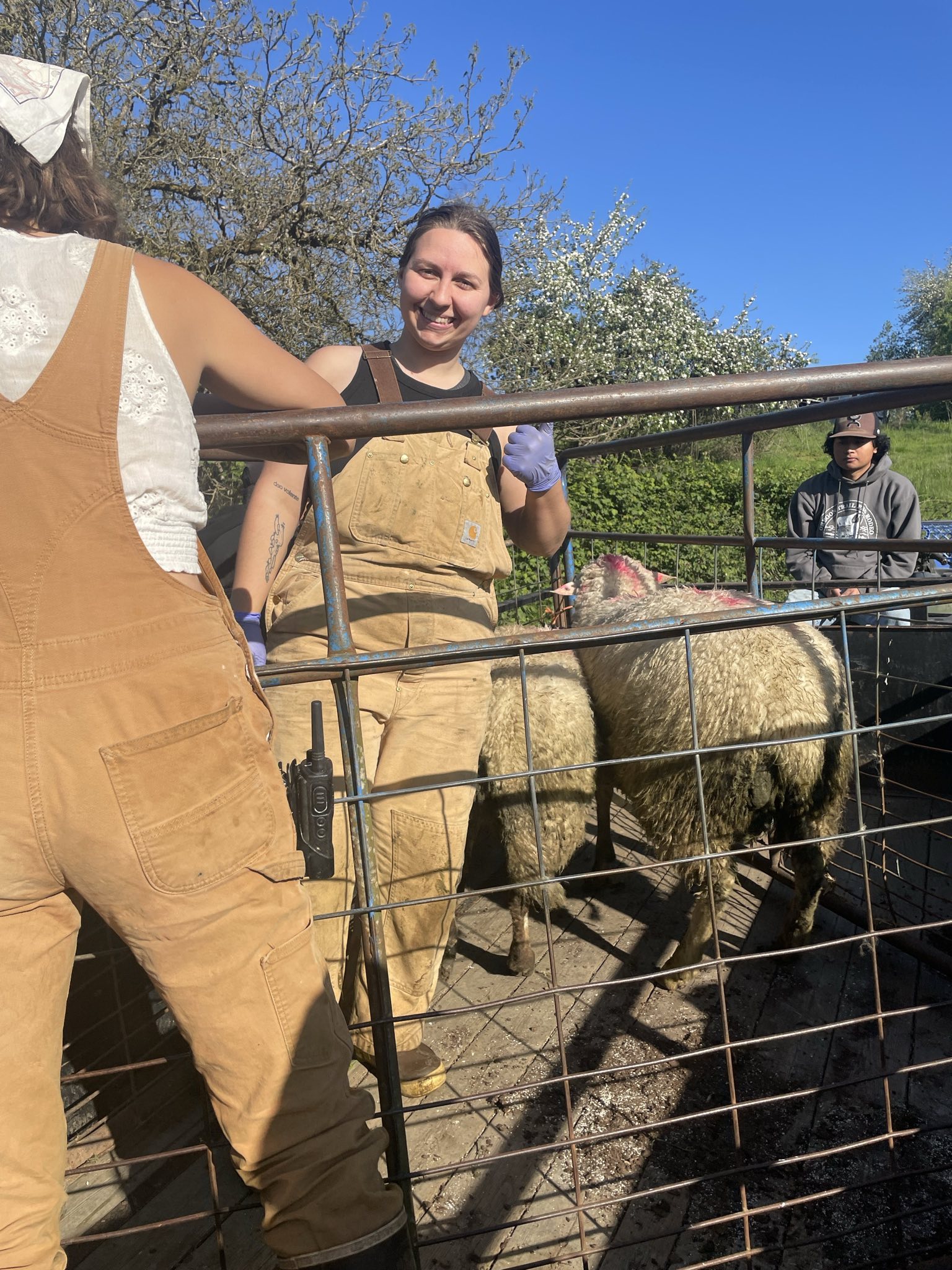
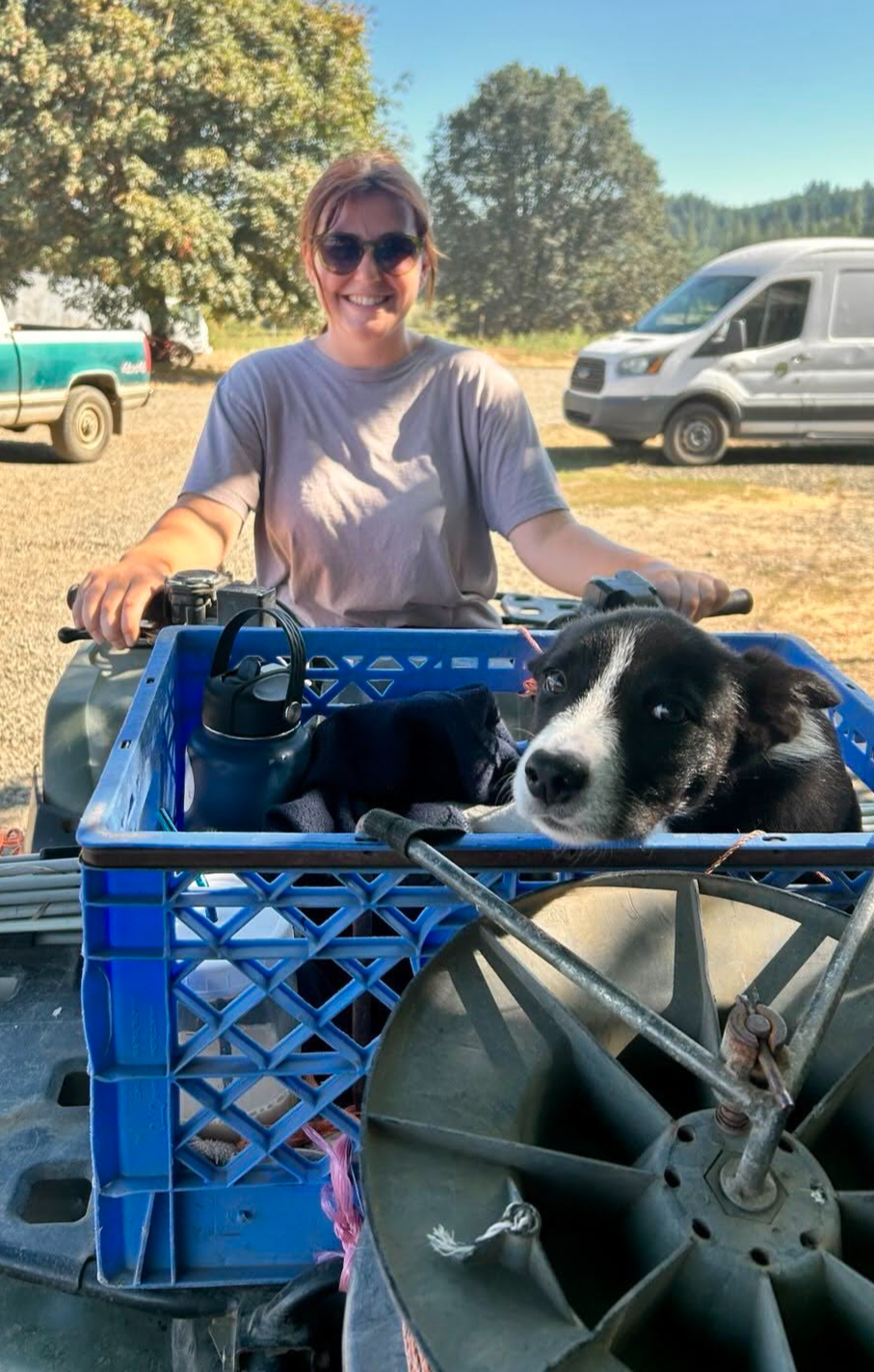
These images show the texture of the environment Willamette Valley Farm School is meant to organize around: handling livestock, processing products, maintaining infrastructure, and keeping a working farm community in motion.